Electrical Defect Notice in Sydney? Here’s What It Means and What to Do

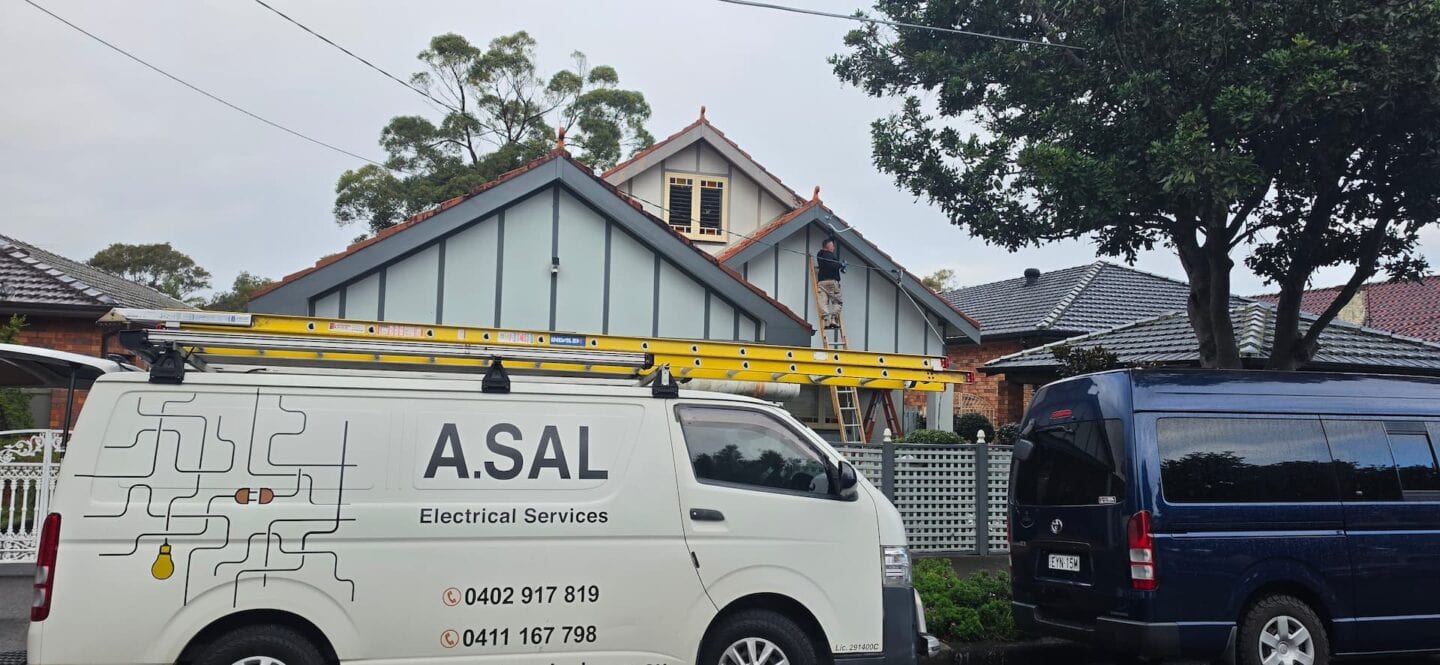
An electrical defect notice is a formal warning that something on your electricity supply connection is unsafe or doesn’t meet current standards, and it has to be fixed by a set deadline. In the Eastern Suburbs, Inner West and Lower North Shore, these come from Ausgrid, and the standard window is 21 days.
Ignore it and your power can be disconnected. Only an accredited Level 2 ASP electrician is allowed to rectify the fault and lodge the paperwork that closes it off.
What is an electrical defect notice?
In NSW, an electrical defect notice is issued when Ausgrid (or another network provider) finds a fault, safety risk or non-compliant work on the supply to your property. It might be picked up during routine inspections, meter changes, fault call-outs or when you upgrade your supply.
Think of it as your official “heads up” that something is not safe enough to leave as-is. The notice will name the network (commonly Ausgrid for Sydney’s Eastern Suburbs and Inner West), list the specific defects, and outline how long you have to get them rectified. It is not a suggestion – it is a requirement, and if you ignore it, you risk having your power disconnected.
Why did I get a defect notice? (common causes)
Most electrical defect notices in Sydney come down to age, weather and older installations that no longer meet today’s safety rules. Around the coast and in older suburbs, salt air and heat are hard on metalwork, cables and switchboards, so issues build up slowly over time.
Common reasons Ausgrid issues an electrical defect notice include:
- A deteriorated or rusty point of attachment – the bracket or fittings where the overhead service line connects to your fascia or private pole.
- A damaged, low or sagging overhead service line, often due to tree branches, old fixings or storm damage.
- Old, corroded or undersized consumer mains (the cables between the point of attachment and your main switchboard).
- Broken, water-damaged or unsafe metering equipment or meter boxes.
- A non-compliant switchboard, for example, rewireable fuses, missing safety switches, poor earthing or exposed live parts.
If your notice mentions any of these (or you can see them yourself), it is a strong sign you need a Level 2 ASP rather than a standard electrician.
Who owns what: Ausgrid’s side vs your side
Your power connection is split between Ausgrid and you. Ausgrid owns the network up to your point of attachment, and you’re responsible for everything from there into your home. A defect notice is always about something on your side, so the repair is the property owner’s responsibility.
| Part | Who’s responsible |
|---|---|
| Street poles and power lines | Ausgrid |
| Overhead service line from the street to your house | Ausgrid |
| Point of attachment bracket, and the fascia or wall it’s fixed to | You |
| Private power pole on your property | You |
| Consumer mains (cables from the point of attachment to your switchboard) | You |
| Service fuse | You |
| Meter box and switchboard | You |
| Electricity meter | Your metering provider, arranged through your retailer |
What this means for your notice
If you’ve received a defect notice, you need to book a Level 2 ASP to fix it. Common examples are a rusted bracket, rotting fascia, old consumer mains or an unsafe meter box.
Not sure what your notice is asking for? Send us a photo of it, and we’ll arrange a free site inspection to quote on the repair and clear the defect.
Regular electrician vs Level 2 ASP: who is allowed to fix it
This is where many homeowners get stuck. You already have a “go-to” electrician; can they fix the defect notice, or do you need someone else?
In NSW, only an accredited Level 2 ASP electrician is authorised to work on the network connection side of your installation: the overhead service line, point of attachment, service fuse, metering and consumer mains. A regular electrician (Level 1) can work on internal wiring – lights, power points, many switchboard jobs – but they cannot legally alter or reconnect the supply from the street.
Because most defect notices relate to that supply side, particularly in older homes, you will usually need a Level 2 ASP to:
- Repair or replace your consumer mains.
- Fix a low or damaged overhead service line.
- Replace corroded point of attachment brackets and insulators.
- Upgrade or relocate meters and associated equipment.
At A.SAL, Level 2 ASP work is handled in-house, so you are dealing directly with the person accredited to fix the problem – no third parties, no extra layers of admin.
If you’re not sure where your electrician sits, we’ve broken down the difference between a Level 2 and a regular electrician in more detail.
What happens if you ignore a defect notice
If you put the notice in a drawer and hope it goes away, it usually ends one way, with your power off. Ausgrid and other DNSPs are clear that if defects are not repaired within the specified timeframe, they can disconnect supply until the work is completed and certified.
There are other risks too:
- The original fault is still there, which means a higher chance of fire, electric shock or ongoing nuisance tripping.
- If something does go wrong, you may have issues with insurance or liability, because you were formally notified of a safety problem and chose not to act.
In short: a defect notice is not something to leave “for later”, especially if you rely on power for work, refrigeration, medical equipment or home comfort.
How long you have to rectify the defect
For many Ausgrid defect notices in Sydney, 21 days is the standard rectification window, unless your letter states otherwise. Some situations allow up to 30 days, but serious Category 1 safety defects can require immediate action and may be disconnected on the spot if they are not made safe.
The key thing: the only date that really matters is the one printed on your notice. Always read the notice carefully and note:
- The due date.
- The category of defect (especially if marked urgent).
- Any mention of immediate safety risks or disconnection.
Booking a Level 2 ASP early gives you time for a site visit, quote, repairs and paperwork well before the deadline.
How A.SAL rectifies electrical defects across Sydney
As a Level 2 ASP electrician based in Botany, we handle defect notices across the Eastern Suburbs, Inner West and Lower North Shore. Electrical defect notices can be stressful, especially if you’re unfamiliar with what they mean or what steps need to be taken. This is something we commonly see with homeowners across Sydney, particularly in older properties.
Here is how we typically handle it:
1. Review your notice and timeframes
We start by going through your Ausgrid (or other) defect notice with you so we are clear on the issues listed, the deadline, and any mention of urgent safety risks.
2. On-site inspection and testing
We attend your property and check the exact areas mentioned. Point of attachment, overhead service line, consumer mains, meter box, switchboard and confirm what needs to be brought up to standard. We also look for any “near misses” that might become a problem later.
3. Clear, written quote
Before we pick up a tool, you receive a clear, written quote explaining what is wrong, what we are going to do and what it will cost. No surprise invoices, and no jargon you have to decode. Our goal is to make this clear and simple for you as much as possible.
4. Level 2 rectification work
Once you are happy to proceed, we complete the necessary Level 2 work, for example, replacing corroded consumer mains, installing a new point of attachment bracket, correcting a sagging service line, upgrading unsafe metering or modernising an old switchboard with RCBOs and safety switches. We are local and will aim to plan the work around your schedule as much as possible.
5. Compliance paperwork and clearing the notice
After testing, we issue a CCEW (Certificate of Compliance for Electrical Work) confirming that the installation now complies with NSW regulations. We submit this to the correct body so Ausgrid can clear the defect in their system and your supply can stay on.
A recent defect job in Rosebery

Recently, we attended a home in Rosebery where the owner had received a defect notice from Ausgrid for a low-hanging main service line. The homeowner was unsure about the process and what was required to make the property compliant. Situations like this are pretty common, especially in Federation and Californian bungalow homes built between the 1920s and 1930s, which are found throughout Rosebery and surrounding Inner Sydney suburbs.
Over time, service lines can sag due to age, weather exposure, and general wear and tear. In this case, the clearance above the carport had dropped below the minimum required height, creating a compliance issue.
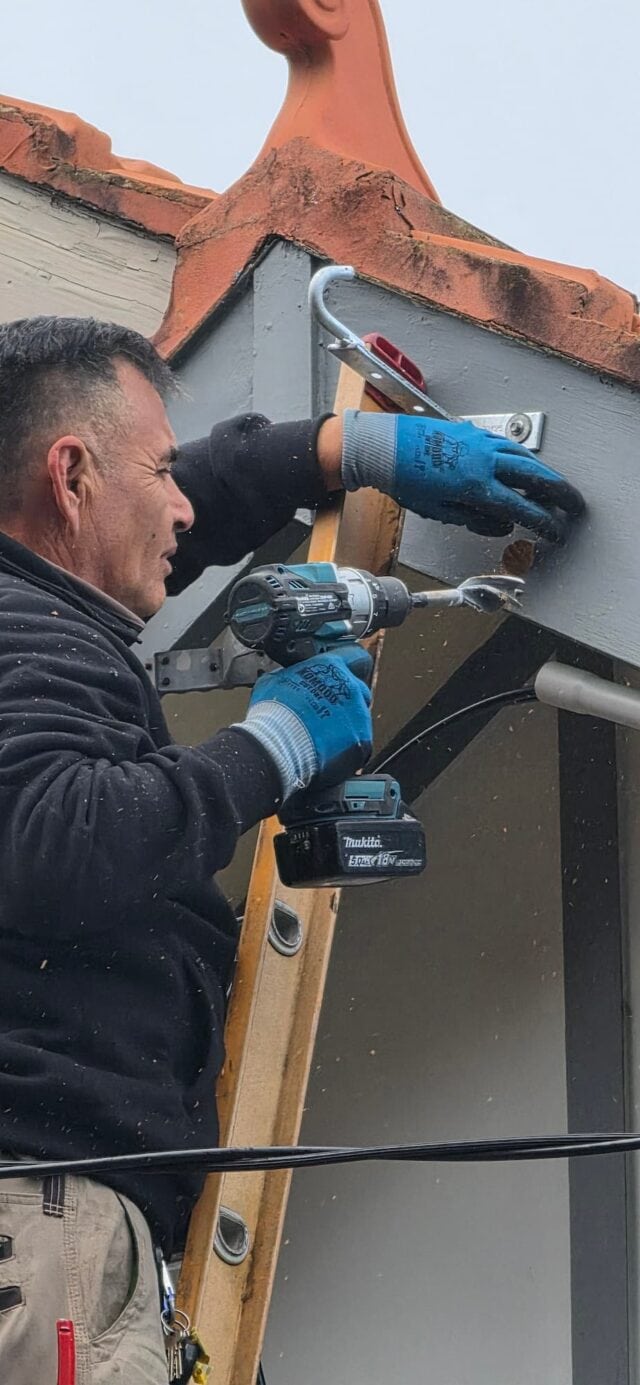
Another contributing factor was the condition of the point of attachment (POA). The existing bracket was fixed to the timber fascia, which had deteriorated over the years. The metal bracket had rusted, and the timber it was secured to had started to rot. This combination reduced the structural integrity of the installation, making it unsuitable for safely supporting the overhead service line.
To rectify the issue, the point of attachment was relocated to a higher point on the façade of the property, and a new galvanised steel POA bracket was installed. This meant the service line now achieved the correct clearance, was securely supported and met current-day standards.
While addressing defect notices, it’s also common to identify other areas where older electrical systems may no longer meet today’s safety expectations. In this case, the home’s switchboard was upgraded with a new enclosure and RCBO safety switches. These devices provide improved protection against electrical faults and are now considered standard for enhancing safety within the home.
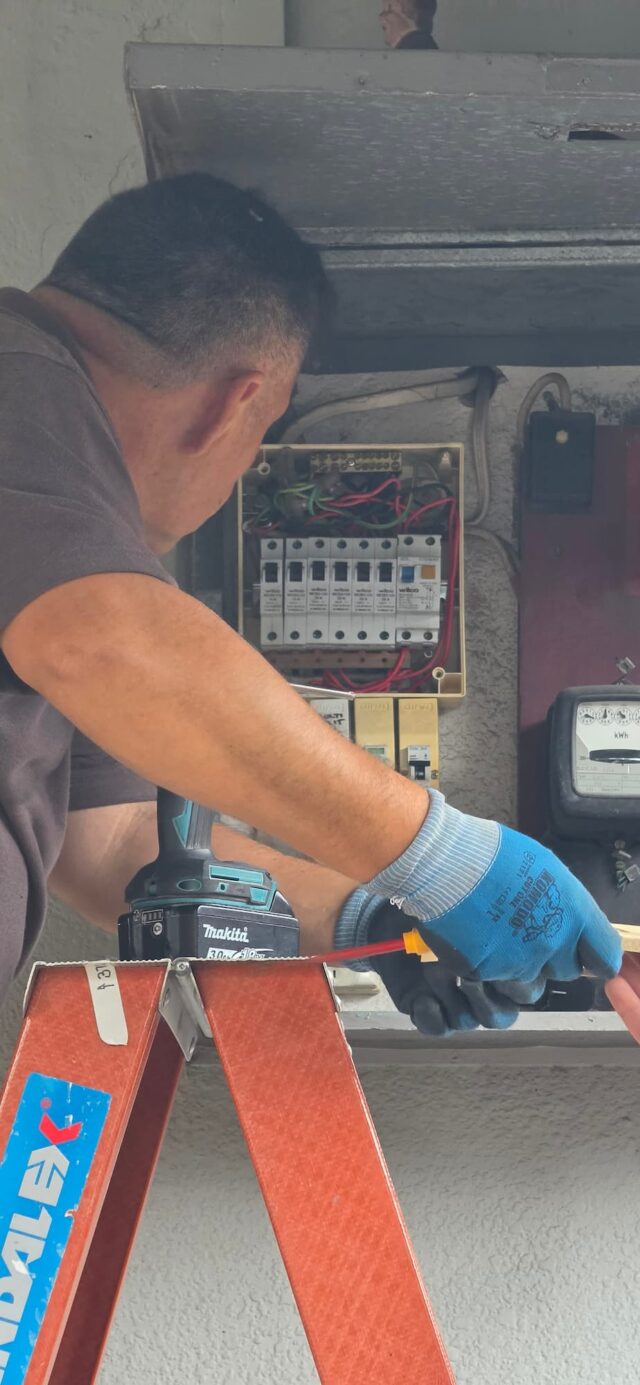
After the work was completed, comprehensive testing was carried out to ensure all electrical circuits were operating safely and correctly, both inside and outside the property.
It’s also worth noting that, in many cases, the power will need to be temporarily disconnected while this work is carried out. Clear communication and planning help ensure homeowners and businesses can prepare for this interruption. Many of us are working from home now, so this is an important point to consider.
All work was completed in accordance with Ausgrid’s current safety standards and regulations, ensuring the property was compliant and safe moving forward.
Defect notices can feel overwhelming at first, but they are ultimately in place to ensure electrical installations remain safe over time. Understanding the cause, whether it’s ageing infrastructure, environmental factors, or outdated equipment, can help make the process more manageable and less daunting.
Get your defect notice sorted today
If you have an electrical defect notice sitting on the kitchen bench in Botany, Coogee, Randwick, Marrickville or nearby, the safest move is to get a Level 2 ASP out sooner rather than later. Leaving it to the last week makes it harder to coordinate inspections, shutdowns and paperwork before your deadline.
At A.SAL Electrical Services, Level 2 work is part of what we do every week – from mains upgrades to Ausgrid defect rectifications – and you are dealing directly with Adolfo from first call to final sign-off. We offer same-day and after-hours attendance for urgent or safety-critical defects, because we know having your power at risk is not something you want to sit on.
If you have received an electrical defect notice in Sydney and want it handled properly, our Level 2 ASP electricians can help. For same-day or after-hours assistance, call 0411 167 798 or get a free quote online and we will talk you through your next steps.
Electrical defect notice FAQs
What is an electrical defect notice in NSW?
An electrical defect notice is a formal warning from your network provider that part of your electrical installation or supply is unsafe or non-compliant and must be repaired by a licensed electrician within a set timeframe.
Can a regular electrician fix a defect notice?
A regular electrician can fix some internal wiring issues, but if your notice involves the supply connection, service lines, consumer mains, metering or point of attachment, you must use a Level 2 ASP electrician.
How long do I have to fix an electrical defect?
Many notices in the Ausgrid area allow around 21 days, however, check the date, the only date that matters is the one printed on your defect notice, and urgent safety defects may require immediate action.
Will my power be disconnected?
If the listed defects are not repaired by the due date, your network provider can disconnect your power until a qualified electrician completes the repairs and lodges the required compliance paperwork.
How much does it cost to rectify a defect?
Costs vary widely – minor repairs may be relatively affordable, while full consumer mains or switchboard upgrades are more involved – so the best approach is an on-site inspection and a written quote from a Level 2 ASP.